History of Lavender Marriages
From Sappho's ancient world to Hollywood's Golden Age to the present day — how queer people have navigated hostile societies through strategic partnerships.
Content Warning
This page discusses: Historical LGBTQ+ oppression, Persecution and violence, AIDS crisis, Criminalization

The history of lavender marriages mirrors the history of LGBTQ+ oppression and resistance worldwide.
Origins of the Term
The word lavender has been associated with queerness since at least the 1920s. Its roots go further — the ancient Greek poet Sappho wrote of lovers adorned with violets, and in the late 19th century, Oscar Wilde used purple imagery to describe queer experience. Lavender, blending pink and blue, became a shorthand for same-sex attraction in early 20th-century subcultures.
Before the term existed, the practice had other names. Boston Marriages described two women living together in committed domestic partnerships in the late 19th century. A beard referred to a person who concealed another's homosexuality through romantic association. The Lavender Menace was early coded language within LGBTQ+ communities.
The phrase lavender marriage appears in print by at least 1991, but the practice it describes is far older. Anywhere that queer identity was criminalized, stigmatized, or dangerous — which, throughout most of recorded history, was nearly everywhere — people found ways to protect themselves through socially sanctioned opposite-sex partnerships.
A Brief Timeline
Informal Arrangements
Marriages of convenience between queer individuals and opposite-sex partners existed long before any terminology. Boston Marriages (two women living together in committed "romantic friendships"), aristocratic arrangements, and informal partnerships allowed LGBTQ+ people from ancient Rome to Victorian England to live private lives in parallel to their public ones.
The Oscar Wilde Era
Wilde's 1895 prosecution for gross indecency — resulting in two years of hard labor — sent a chill through queer communities in Britain and beyond. Many men in public life accelerated plans to marry to establish protective cover. The era made visible exactly how dangerous openly queer life could be, and how marriage functioned as a legal and social shield.
Hollywood's Studio System
The Motion Picture Production Code (1930, strictly enforced from 1934) prohibited depictions of "sexual perversion" on screen. Morality clauses in studio contracts allowed immediate termination if actors were exposed as gay. Studios employed fixers who arranged marriages and managed scandals. Lavender marriages became a standard tool of image management.
Cold War & the Lavender Scare
The "Lavender Scare" ran parallel to the Red Scare: thousands of suspected LGBTQ+ federal employees were purged under Executive Order 10450 (1953). Historians estimate more people lost jobs in the Lavender Scare than the Red Scare. Marriage to an opposite-sex partner became critical protection in government, military, and corporate environments.
After Stonewall
The Stonewall Uprising of 1969 and the gay liberation movement gradually changed the calculus for many. Coming out became more possible in Western countries — but the AIDS crisis (early 1980s) simultaneously intensified stigma and outed many closeted figures. Rock Hudson's 1985 AIDS disclosure revealed how much concealment still existed even at the highest levels of celebrity.
Global & Modern Context
In countries where same-sex relationships remain criminalized — spanning much of Africa, the Middle East, South Asia, and parts of East Asia — lavender marriages remain a practical and sometimes life-saving strategy. In China, xinghun (形婚) arrangements are estimated to involve millions of people. Interest has also grown in Western countries as political conditions have shifted.
Hollywood's Golden Age in Depth

The Motion Picture Production Code
- Implemented 1930, strictly enforced from 1934
- Prohibited depictions of "sexual perversion" (code for homosexuality)
- Created an environment where LGBTQ+ actors faced career destruction if exposed
- Studios invested millions in star images — they had strong financial incentives to manage secrets
Morality Clauses
- Contractual provisions allowing studios to terminate actors for conduct damaging to their public image
- Being discovered as gay was grounds for immediate contract cancellation and industry blacklisting
- Studios employed "fixers" — people paid to suppress scandals, arrange cover marriages, and plant positive stories
Why Hollywood Became the Center
- Public scrutiny — celebrities lived under constant media surveillance
- Economic stakes — studios invested millions in star images and had strong financial reasons to manage any threat
- Studio system control — studios wielded enormous power over actors' personal lives via contract
- Concentrated LGBTQ+ community — entertainment industries have historically attracted LGBTQ+ individuals
The Lavender Scare
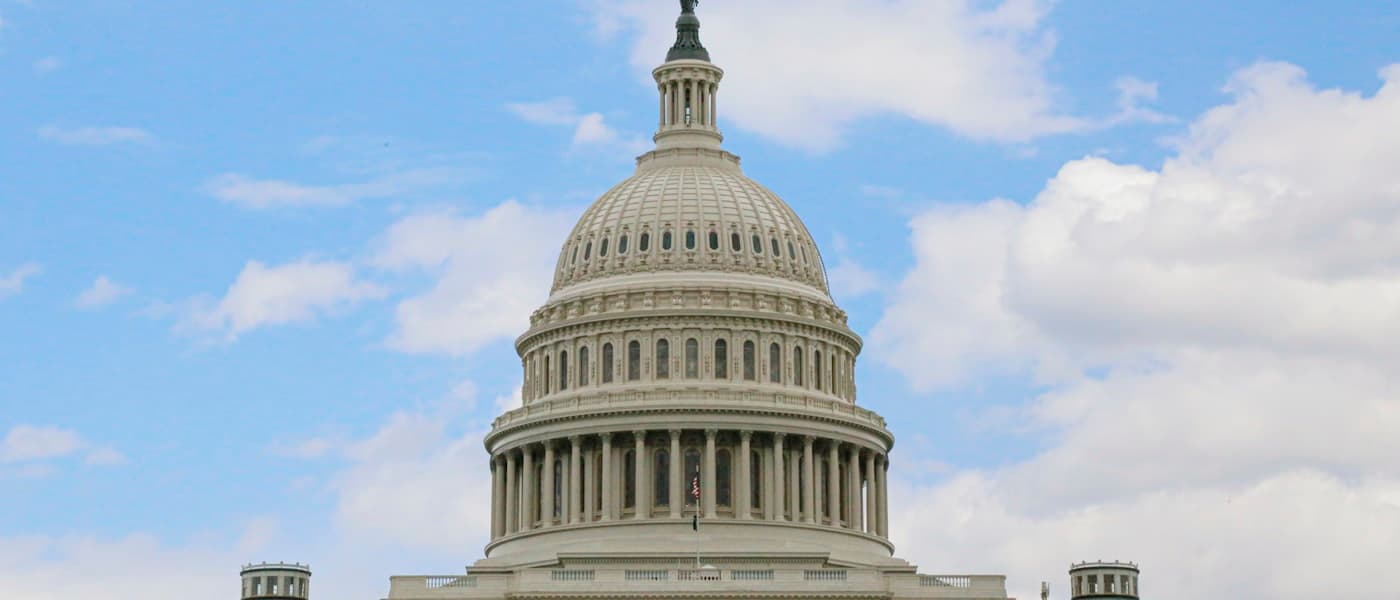
Government Persecution Intensifies the Need
- 1950–1953: Systematic purging of thousands of suspected LGBTQ+ individuals from federal government positions
- Executive Order 10450 (1953): Eisenhower administration policy explicitly barring "sexual perverts" from federal employment
- Scale: Historians estimate 5,000–10,000 people lost federal jobs — more than were dismissed in the Red Scare
- Ripple effect: Private sector employers followed the government's lead, extending discrimination widely
This political climate made lavender marriages essential survival strategies far beyond the entertainment industry:
- Diplomats and civil servants entered marriages to maintain government careers
- Military personnel used marriages to avoid discharge under anti-homosexuality regulations
- Academics in conservative institutions protected their positions and tenure
- Business professionals maintained respectability in corporate environments where being gay meant termination
Global Practices: Mid-20th Century

United Kingdom
- Class system and Victorian propriety created intense pressure
- The Bloomsbury Group included several lavender or open marriages (including Vita Sackville-West and Harold Nicolson)
- Homosexuality criminalized until 1967 — legal penalties necessitated concealment
Nazi Germany
- Paragraph 175 criminalized homosexuality with brutal persecution
- Some LGBTQ+ individuals entered marriages to avoid detection and the concentration camps
- Post-war conservative climate continued pressure well into the 1960s
Soviet Union
- Homosexuality re-criminalized in 1933 under Stalin
- Lavender marriages common throughout the Soviet era
- Political careers required the appearance of a heteronormative family life
The AIDS Crisis & Shifting Attitudes

Increased Visibility and Risk
- Many closeted celebrities died of AIDS-related illnesses, involuntarily outing themselves
- Rock Hudson's 1985 AIDS disclosure brought lavender marriages into public discussion for the first time
- Some spouses faced health risks from partners who had hidden their sexuality and outside relationships
Changing Calculations
- Rising LGBTQ+ activism post-Stonewall made coming out more viable for some
- Simultaneously, AIDS-related stigma made staying closeted more appealing for others
- Some lavender marriages dissolved as partners chose honesty when facing mortality
- Gay liberation movements debated whether lavender marriages betrayed liberation goals
Contemporary & Global Context

China: Xinghun (形婚)
- Estimated 16–40 million LGBTQ+ individuals in China face intense family pressure to marry and produce children
- Online platforms and dedicated apps facilitate finding lavender marriage partners
- A well-documented and socially organized phenomenon, particularly in urban areas
South Asia
- Strong arranged marriage traditions and family structures
- Same-sex relationships highly stigmatized in many communities
- Both within South Asia and in diaspora communities abroad, LGBTQ+ individuals enter lavender marriages to satisfy family expectations
Middle East & North Africa
- Criminalization and severe penalties — including death — in several countries
- Lavender marriages essential for physical safety, not merely social acceptance
- Often arranged with understanding partners within underground LGBTQ+ networks
Conservative Religious Communities
- Evangelical Christian environments
- Orthodox Jewish communities
- Traditional Catholic contexts
- Islamic societies
- LDS (Mormon) communities
Why They Persist Even Where Laws Have Changed
- Generational and regional divides — progressive laws don't immediately change conservative families or rural communities
- Immigration complexity — LGBTQ+ refugees may need a heterosexual marriage for asylum or visa purposes
- Professional considerations — some industries and employers maintain heteronormative expectations
- Political backlash — threats to marriage equality have some considering contingency arrangements
- Economic factors — marriage benefits inaccessible to same-sex couples in some jurisdictions
What History Teaches Us
- Oppression creates innovation — LGBTQ+ communities have always found creative survival strategies
- Context matters — judgments about lavender marriages must account for historical and cultural circumstances
- Progress is uneven — legal advances don't immediately eliminate social and familial pressures
- Visibility has costs — even today, being openly LGBTQ+ involves risks many people cannot afford
- Solidarity over judgment — LGBTQ+ communities have always included diverse approaches to navigating hostile environments
Lavender marriages are not quaint historical artifacts. They represent an ongoing reality for millions of LGBTQ+ individuals worldwide. Understanding their history helps us recognize both how far LGBTQ+ rights have progressed and how much work remains.